


Course details
- Exam: USMLE Step 1
- Format: PDF files that open on a phone, tablet or laptop
- Delivery: download link as soon as your payment is confirmed, plus a copy by email
- Access and updates: 4 to 6 months from purchase
- Prepared by: our own team
Step 1 Changed. The Exam Didn’t.
Step 1 is pass/fail for US MD students. That shift, however, didn’t reduce the pressure — it redirected it.
For US allopathic students, failing Step 1 doesn’t just delay graduation. Specifically, it triggers academic remediation, flags your application to every program you apply to, and costs months of retake preparation. The asymmetric downside is stark: a few focused study weeks cost far less — in time, money, and career capital — than a single fail.
For IMGs and DO students, moreover, Step 1 remains a scored exam. Your number still appears numerically on residency applications, and it still signals to program directors how you perform under standardized testing pressure.
Furthermore, for every student — MD, DO, IMG, or Caribbean — the exam tests the same core concepts. What shifts each cycle is emphasis: which topics recur, which system combinations appear, and which clinical vignette patterns the NBME currently uses. That is exactly what RecallMastery tracks and what we build our questions from.
Not a Recall Dump. An Original Question Bank Built From Exam Intelligence.
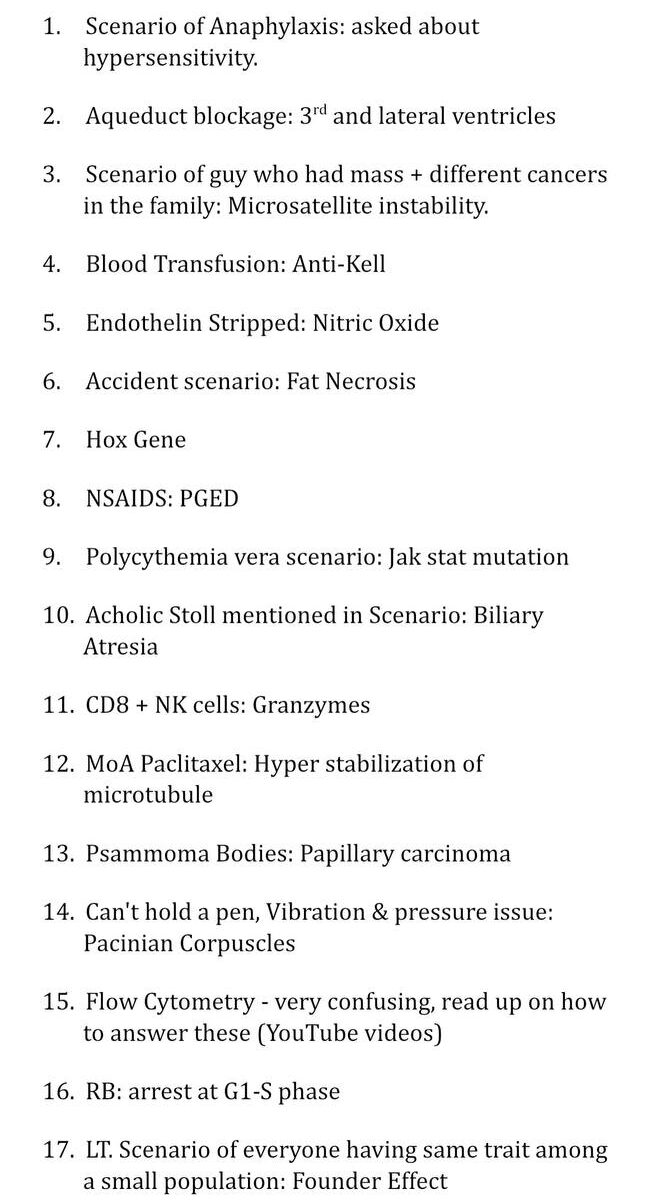
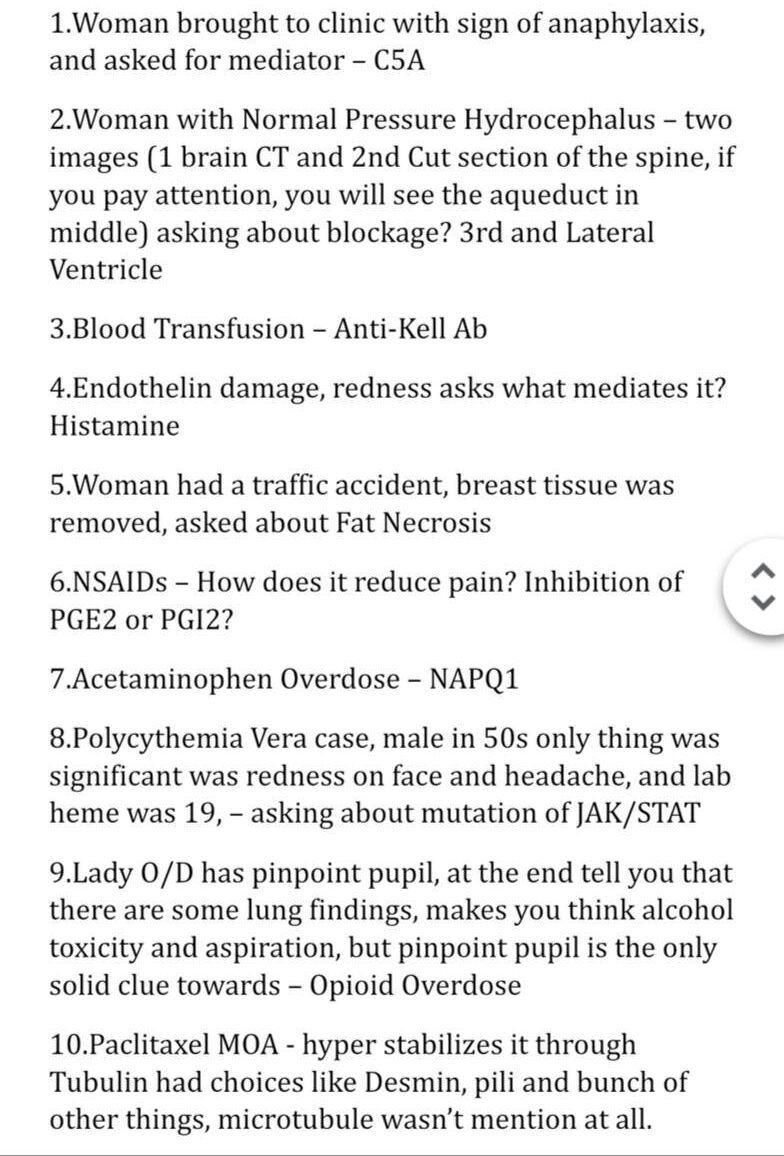
Raw recall PDFs — the files circulating on Telegram and Scribd — contain actual USMLE questions that students typed up after their exam.
In contrast, RecallMastery is a completely different product now.
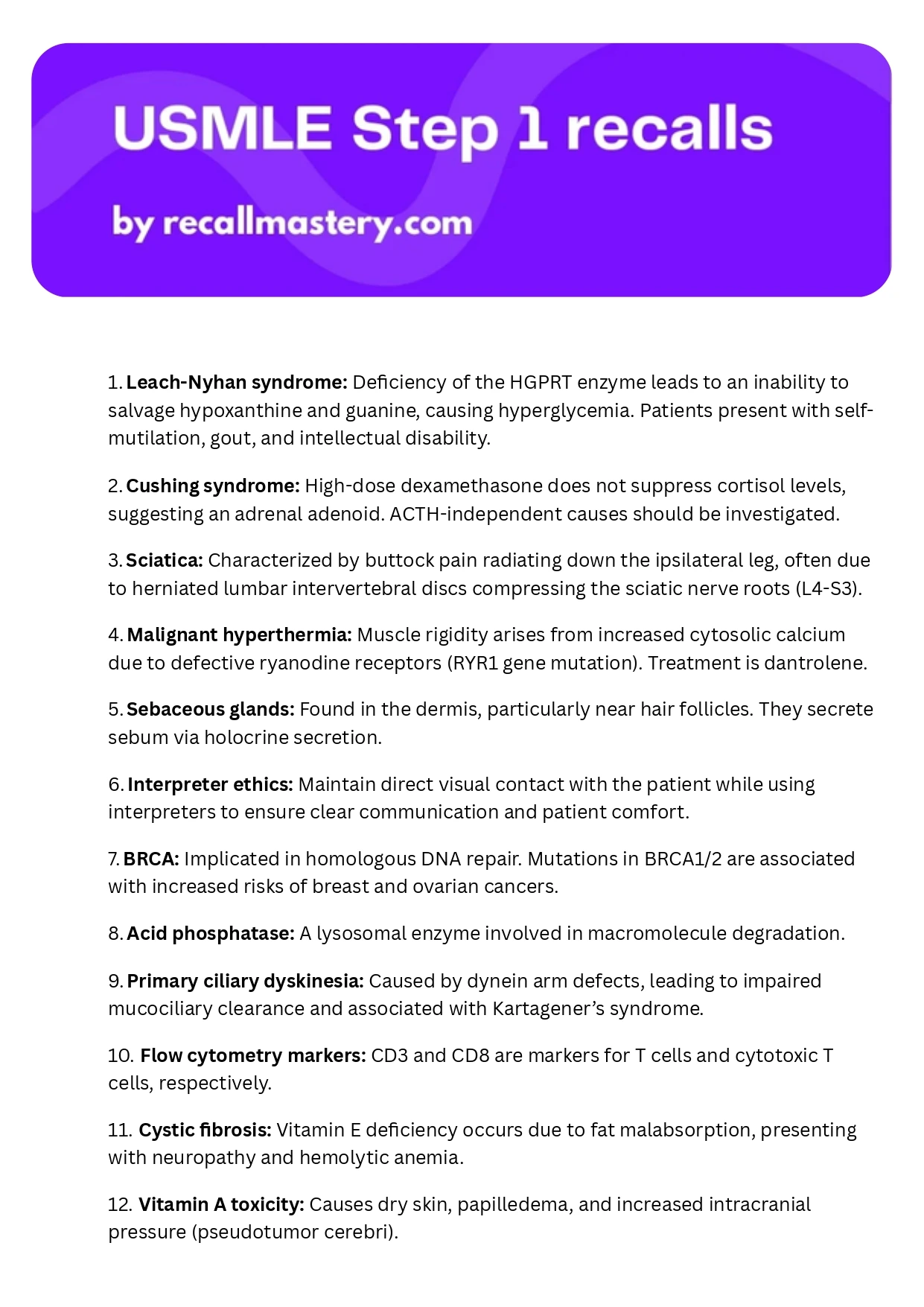
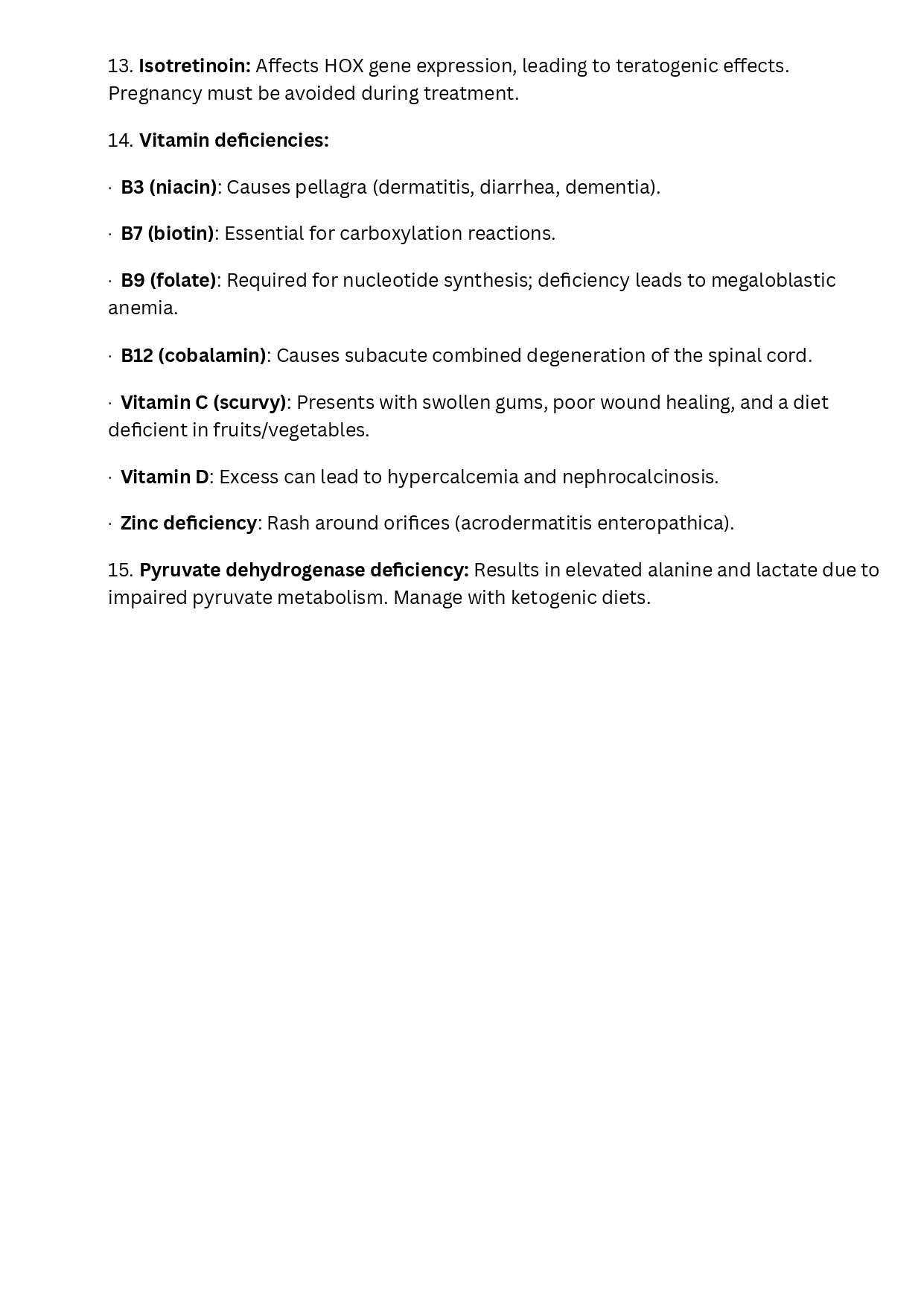
We collect concept intelligence from recent Step 1 test-takers — which systems appeared, which vignette patterns recurred, and which biochemistry pathways or pharmacology mechanisms the exam emphasized. We then discard the raw report entirely and write every question, answer choice and explanation from scratch, based only on the underlying concept.
How Our Questions Are Built
- Step 1 — Concept Intelligence Collection
First, we gather structured reports from recent Step 1 test-takers: which systems, basic science subjects, and clinical vignette patterns appeared with highest frequency in their administration. - Step 2 — Concept Extraction
Next, we extract the underlying concept — the biochemistry pathway, pharmacology mechanism, or pathological process the exam tests. We then discard the raw student report entirely and retain no exam content whatsoever. - Step 3 — Original Question Creation
Finally, our team writes completely original question stems, answer choices, and detailed explanations based on the concept. Every word is new. We reproduce no USMLE content at any stage.
The result: questions that reflect what the current cycle actually tests , written from scratch.
What’s Inside the Step 1 pack
The RecallMastery Step 1 bank contains practice questions, which we organized across all eight core basic science subjects for systematic, efficient review:
| Subject | High-Yield Topics Covered |
|---|---|
| Biochemistry | Amino acid disorders, vitamin deficiencies, enzyme defects, glycogen storage diseases, lysosomal storage, metabolic pathways, fatty acid oxidation |
| Pharmacology | Drug mechanisms, adverse effects and toxicities, autonomic pharmacology, cardiovascular agents, pharmacokinetics, antibiotics |
| Microbiology | Gram-positive and gram-negative bacteria, DNA and RNA viruses, fungal infections, parasitology, antimicrobial mechanisms and resistance |
| Pathology | Cellular injury and death, inflammation, neoplasia, cardiovascular pathology, renal pathology, GI pathology, hematological disorders, pulmonary pathology |
| Physiology | Cardiovascular (pressures, heart sounds, Starling curves), renal (tubular function, GFR, acid-base), pulmonary (V/Q, lung volumes), neurophysiology, endocrine |
| Immunology | Innate and adaptive immunity, immunodeficiency diseases, hypersensitivity reactions, transplant immunology, autoimmune disorders |
| Anatomy & Embryology | Neuroanatomy, embryological derivatives and defects, gross anatomy high-yield, histology |
| Behavioral Science | Biostatistics, epidemiology, study design, developmental milestones, medical ethics and law |
Every question also includes a complete answer key and clinical explanation that reinforces conceptual reasoning — not just the correct letter.
This Bank Works for Every Step 1 Student
US MD Students — You Still Need to Pass
Step 1 is pass/fail, but failing carries serious consequences. NBME sets the passing threshold and does not publish it — so you cannot calculate the minimum score you need. Consequently, students who treat Step 1 as a casual hurdle fail at significantly higher rates than those who prepare systematically. Additionally, the cost of failing — academic remediation, a retake delay, and a permanent flag on your MSPE — far exceeds the cost of dedicated preparation. RecallMastery shows you which concepts the current cycle emphasizes, so you spend your study weeks on the right material instead of guessing.
IMGs — Your Step 1 Score Still Appears on Applications
Unlike US MD applicants, your Step 1 score appears numerically on your ERAS application. Program directors at many specialties still use it as a screening filter — particularly for competitive programs. Therefore, knowing which concepts the current exam cycle emphasizes, rather than which concepts appeared in the 2022 cycle, directly improves both your preparation efficiency and your final score.
DO Students — One Resource for COMLEX and USMLE
You face the challenge of preparing for both COMLEX-USA Level 1 and USMLE Step 1 simultaneously. Fortunately, the basic science content overlaps heavily between both boards. RecallMastery’s concept-based questions draw from USMLE Step 1 exam intelligence but cover the same foundational science domains that COMLEX tests. Use it to reinforce your COMLEX content while simultaneously calibrating to USMLE question framing.
Also preparing for CBSE? The Comprehensive Basic Science Exam tests the same foundational science content as Step 1. As a result, RecallMastery questions serve as high-yield CBSE preparation with no additional resources needed.
Caribbean MD Students — Passing Keeps You in the Program
At many Caribbean medical schools, failing Step 1 means program dismissal — not a delay, not a remediation plan. This is a pass-or-stop-here moment. Therefore, RecallMastery gives you the most current exam intelligence available, which we organize by subject system, with explanations that build genuine understanding rather than surface memorization.
How to Use This in Your Step 1 Study Schedule
Step 1 prep typically runs 8–16 weeks of dedicated study. Unlike Step 2 CK — where recalls work best in the final stretch — RecallMastery integrates productively across the full Step 1 schedule:
- Weeks 12–6 — Content Foundation
First, build your conceptual base using your primary resources — Sketchy, Pathoma, Boards & Beyond, and First Aid. Alongside that, use RecallMastery questions to test concept application as you finish each subject. This approach identifies weak areas early — before you’re three weeks out and running out of time to address them. - Weeks 6–3 — Active Practice and Calibration
Next, integrate RecallMastery alongside your Qbanks. By this stage, you have the conceptual framework in place. RecallMastery then adds current exam calibration: which pathology presentations appear most in recent cycles, which pharmacology mechanisms recur, and where the exam currently places its emphasis. - Final 3 Weeks — Targeted Reinforcement
Finally, re-drill your weakest subjects. Use RecallMastery to simulate the actual question framing and vignette style that 2026 administrations use. You’ve done the content review — now align your execution with what the exam currently looks like.
Your Questions Answered
Does Step 1 being pass/fail mean I don’t need to prepare as thoroughly?
No — and here’s why. NBME sets the passing threshold and does not publish it, so students cannot calculate the minimum score they need. As a result, students who approach Step 1 as a casual hurdle fail at significantly higher rates than those who prepare systematically. Moreover, for IMGs, DO students, and Caribbean students, Step 1 still carries a numerical score that programs actively use during residency screening. Thorough, efficient preparation matters for all four student groups.
Will using RecallMastery get my USMLE score invalidated?
Not automatically. USMLE’s rule says scores may be withheld or cancelled if there is evidence a candidate used a prep service that uses or distributes exam content — so any recall product, ours included, sits inside that rule.
What differs is the file: the Step packs are written from scratch, with no verbatim item, so their exposure is lower than a raw dump’s; the shelf packs are cleaned-up student reports, and we do not claim they are lower exposure. USMLE decides, not us.
Is this the same as a recall PDF?
The shelf packs are close to one: compiled reports, cleaned up and answered. The Step packs are not — they are rewritten from the reported concepts. Either way, nothing is a scan of an exam paper.
Why call it “recalls” then?
“Recalls” describes the intelligence — what recent test-takers reported. It does not describe the file. The name stayed because it is how students search; the method page explains the difference.
How does this differ from Anki decks or free recall PDFs?
Anki builds recognition memory through spaced repetition — effective for fact recall, but insufficient for the clinical vignette application that Step 1 actually tests. Free recall PDFs, on the other hand, reproduce actual USMLE exam content and carry genuine invalidation risk. RecallMastery, by contrast, trains you to apply concepts through original vignettes that reflect current exam patterns — the specific skill that determines whether you pass.
Does this work for DO students preparing for COMLEX and the CBSE?
Yes. The RecallMastery Step 1 bank covers the complete foundational science content that both USMLE Step 1 and COMLEX-USA Level 1 test. Because the underlying basic science concepts overlap across both boards, DO students consistently use this as a single preparation resource for both exams. Furthermore, the content directly supports CBSE preparation with no additional materials needed.
What payment methods do you accept?
We accept PayPal and All cards and crypto for all purchases. Both deliver digital access after payment confirmation.
Is the question bank current for 2026–2027?
Yes. Our team continuously updates the bank based on concept intelligence from 2025–2026 Step 1 administrations. As each new exam cycle produces fresh data, we incorporate it promptly. You study what the current exam tests — not outdated content from two cycles ago.
Everything You Get
- 📋 1,000+ original Step 1 practice questions — built from 2017–2026 exam concept intelligence
- ✍️ Answer key + conceptual explanations — builds application skill, not memorization
- 🔒 Written from scratch — no copied exam items
- 🔄 Updated for 2026–2027 — reflects current exam concept frequency, not outdated blueprints
- 💳 PayPal & All cards accepted — instant digital delivery
- Works for US MD, IMG, DO, and Caribbean students
- Access valid for 4 to 6 months.
Step 1 is the gate. Pass it with preparation built from what the exam currently tests — not outdated blueprints or unedited recall PDFs.
How these files are made
- After an exam window, recent test-takers send us what they met — systems, concepts, case types, question style.
- We keep the pattern and discard the raw report. The report is never resold.
- Our writers build new questions and explanations around that pattern.
- Our student team, led by Derek Nicolas, checks accuracy, the answer key and distractor logic.
- The file is versioned and dated. Every change goes in the changelog.
Where this sits: USMLE’s rule is aimed at services that use or solicit exam content, so a product like this is inside that space, not outside it. The exposure is lower than a dump’s because nothing in the file is a verbatim item — but USMLE can still withhold or cancel a score if it decides a service crosses the line. USMLE decides, not us.
Reviewed by our student team, led by Derek Nicolas (medical student) — meet the team.